نوشتهی حاضر بر اساس گفتاری که در تابستان ۱۳۶۸ در سمینار «روشنفکران و تحولات سده اخیر» به دعوت کانون فرهنگی نیما در دانشگاه کالیفرنیا، لس آنجلس ایراد شد، تنظیم گردیده و سپس به عنوان مقدمه بر کتاب «در جستجوی شادی: در نقد فرهنگ مرگپرستی و مردسالاری در ایران»، نشر باران، سوئد، ۱۳۷۰ چاپ شده است.
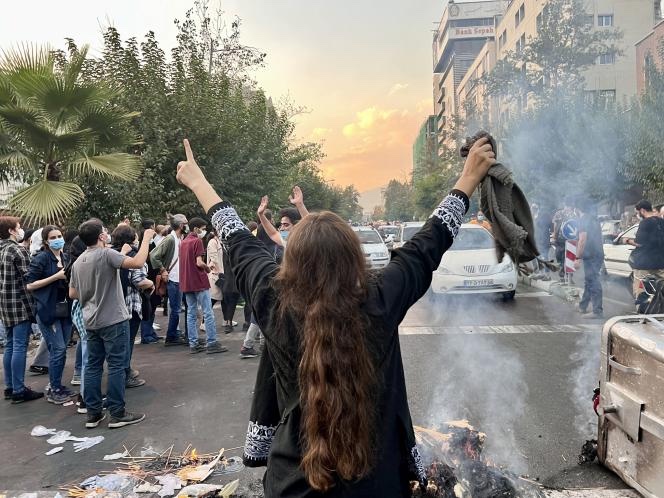
اینک که شعار اصلی ایرانیان در خیابانها «زن، زندگی، آزادی» است، بازگشت به این کتاب ضروری مینماید. م.ن.
در مرگپرستی، فرد مرگزده راه حل همه مشکلات زندگی را در مرگ میجوید و شعار همیشگیش این است: «بکش یا کشته شو». ما گرایش فوق را نهتنها در شهادتطلبی مردم بلکه همچنین در روشها، شعارها و منابع الهام انقلاب بهمن مشاهده میکنیم، به خصوص از هنگامی که روحانیت مرگپیشه پس از جنبش خارج از محدوده در تابستان ۱۳۵۶ و شبهای شعر در پائیز همان سال رهبری انقلاب را به تدریج به دست میگیرد. به عنوان مثال: چهلمهای معروف (۲۹ بهمن در تبریز و …) تظاهرات کفنپوشها، حجله بستنها، گردهمایی در گورستانها به ویژه در بهشت زهرا، شبیهسازی از واقعهی عاشورا و شعار: “کل یوما عاشورا کل ارضا کربلا”. نمونهی برجستهی این عطش مرگآفرینی را در آتشسوزی سینما رکس آبادان میبینیم که به قول رفیق از دسترفتهام مصطفی آبکاشک۱ از سوی روحانیت دامن زده شده بود. مرگپرستی ضددولتی پس از سرنگونی رژیم پلیسی شاه جنبهی دولتی به خود میگیرد و قاضیان شرع و قاریان قبور، صحنهگردان سیاست میشوند. اعدام مفسدین فی الارض، تشکیل بنیاد شهید و مهمتر از همه، برکت جنگ. در طی جنگ هشت ساله مرگپرستی در میان ما به اوج خود میرسد و در جستجوی شادی قساوت در قتل دیگران و جرأت به مرگ خویشتن، عارضهای همهگیر میشود .
حال پیش از آنکه به بررسی ریشههای فرهنگی و زمینههای اجتماعی بروز مرگ پرستی در آستانهی انقلاب بپردازیم، جای آن دارد که نخست ببینیم مرگ چیست و رابطهی آن با زندگی چگونه است و گرایش معطوف به زندگی کدام است؟
تعریف مرگ و مراحل مردن
بر سر تعریف طبی از مرگ انسان اختلاف نظر وجود دارد ولی تعریف سنتیاش چنین است: توقف کامل تنفس و جریان انتقال خون. الیزابت کوبلر راس۲ که در مورد مرگ و مردن تحقیقات زیادی کرده است مراحل روحی بیمار رو به مرگ را چنین برمیشمرد: انکار، خشم، نذر، افسردگی و بالاخره تسلیم. این الگوی کلی البته بنابر روحیات هر فرد تغییر میپذیرد .
آرزوی بیمرگی
فرار از مرگ از دیرباز ذهن بشر را به خود مشغول کرده است، چنانچه آرزوی عمر جاوید را در افسانههای تمام اقوام مشاهده میکنیم: خضر، اسکندر ذوالقرنین، اسفندیار و آشیل. اما تلخی افسانههای مزبور در اینجاست که این قهرمانان در اکثر موارد در مقابل مرگ برای خود نقطه ضعفی باقی میگذارند، اسفندیار از راه چشم ضربه میخورد و آشیل از پاشنه و آن زن یونانی که به مراد خود رسیده و عمر جاوید یافته چون پیر و فرتوت میشود از خدایان طلب مرگ میکند چرا که بیمرگی بدون جوانی و برومندی دلپذیر نیست.
مذهب و انکار مرگ
مذهب به قول فروید برای آن پیدا شد که واقعیت مرگ را از ذهن انسان بشوید. بنا بر اصل میعاد در ادیان ابراهیمی چون اسلام، آدمی پس از مرگ جسما یا روحا برمیخیزد و عمر جاوید مییابد. در اصل تناسخ هندی هر چیز زندهای پس از مرگ به صورت نوینی در همین دنیا زنده میشود. انکار مذهب اما نتیجهی عکس میدهد زیرا فرد مؤمن به امید پاداش اخروی زندگانی خود را صرف انجام مراسمی میکند که نتیجه محسوس آن زیستن با فکر مرگ و خو کردن به شبح آن است.
عرفان و کشتن نفس
عارف برای غلبه بر مرگ، به جهان پس از زندگی توجه نمیکند بلکه او میکوشد تا با کشتن نفس و نفی همه مشخصات زنده بودن چون خوردن و نوشیدن و رابطه جنسی و همچنین دیدن و شنیدن و بوئیدن و لمس کردن و بهیاد آوردن و اندیشیدن، مرغ مرگ را به دام زندگی آورد. اما نتیجهی محسوس عرفان نیز نه بیمرگی که پذیرش مرگهای کوچک در طول زندگی و آمادگی برای مرگ نهایی است.
خوشباشی و فراموشی مرگ
خوشباشی (هدونیسم) مکمل غیر مذهبی مرگ پرستی مذهبی است. اپیکور و خیام و حافظ هوشیارتر از آنند که واقعیت مرگ را به شیوه مذهبی- عرفانی از ذهن خود بشویند. اما از آنجا که آنها مانند مؤمن و عارف زندگی را مرعوب شبح مرگ میبینند به ناگریز برای زدودن این وحشت به شادخواری و فراموشی حاصل از آن پناه میبرند. به قول خیام:
جاوید نیم چو اندرین دهر مقیم
پس بی می و معشوق گناهیست عظیم
بدمستیهای خوشباشانه فقط به فرسودن تن و روان آدمی میانجامد و زندگی را در چشم زندگان خوار میسازد و هول مرگ را غالب.
فلسفهی پوچی و خودکشی
در جهان معاصر که یوغ مذهب سست شده، گرایش به مرگ غالبا رنگ غیرمذهبی به خود میگیرد مثلا آلبر کامو نویسندهی اگزیستانسیالیست فرانسوی مساله اساسی فلسفه را اندیشهی خودکشی میداند و در کتاب افسانه سیزیف آدمی را به سیزیف ماننده میکند که باید دائما سنگی را به سمت قله کوهی براند ولی سنگ از میانه راه برگشته و او را در رسیدن به هدفش یعنی چیرگی بر مرگ و یافتن معنایی برای زنده بودن ناکام میگذارد. کامو پس از اینکه خوانندهی خود را با زهر پوچی و وسوسه خودکشی ناتوان میسازد ناگهان عصیان کرده و از آدمی انتظار قبول مسوولیت مینماید. روشن است که خوانندهی مرگزدهی او تاب تحمل این وظیفه را نخواهد داشت.
گرایش به زندگی
علم پزشکی موجب کاهش مرگ و میر شده و سفر به کرات دیگر اندیشهی امکان عمر دراز را در ذهن بشر قوت بخشیده است. با این همه، مرگ واقعیتی است که اتفاق میافتد و انکار یا نادیده گرفتن آن نتیجهی معکوس میدهد. مرگ همزاد زندگی است و باید آن را پذیرفت. انسان تا هنگامی که زنده است میتواند از استعداد آفرینندگی خود سود جوید و با باقی گذاردن اثری از خود در مقابل احساس نیستی و مرگ تا حدودی تسکین یابد. به جا نهادن نام نیک، فرزند، بوتهی گل، قطعه شعر و موسیقی و داستان و … اینها هستند نمونههایی از ابدیت بخشیدن به زندگی نه رستاخیز مذهب یا بدمستیهای خوشباشان. نمونه سنتی گرایش به زندگی را در دیباچهی گلستان سعدی میبینیم:
گل همین پنج روز و شش باشد
وین گلستان همیشه خوش باشد
زمینه های اجتماعی
برخی از زمینههای اجتماعی بروز مرگزدگی عبارتند از:
۱- هرجا که در اثر فقر میزان مرگ و میر بالاست، آدمی در مقابل مرگ بیشتر آسیبپذیر است و دائما در معرض ضربات آن قرار دارد. کودکی که در خانواده یا محلهاش زود به زود کسی میمیرد با این مفهوم چنان خو میگیرد که تا پایان عمر گرفتار کابوس است.
۲- در جوامعی که مذهب بر زندگی مردم سیطره دارد مردهپرستی و مرگگرایی نیز از قوت بیشتری برخوردار است.
۳- وجود تفاوتهای طبقاتی و فقدان آزادیهای سیاسی موجب میشود که نه فقط حکومتهای جبار و طبقات ستمگر بلکه همچنین مردم ستمکشیده به خشونت و روشهای مرگبار کشیده شوند. جنگ و نظامیگری، اعدام و شکنجه و زندان از جمله روشهای مرگزا هستند.
در جامعهی جدید
در جامعهی جدیدی چون آمریکا که مرگ و میر کاهش یافته و قوانین مدنی به جای قوانین شرعی نشسته و حتی در برخی ایالات استفاده از شیوهی اعدام ممنوع شده است، مرگپرستی در اشکال جدید چون تقدیس خشونت و آدمکشی در تلویزیون و سینما، و خطر ایجاد بمب هستهای که میتواند زندگی انسان را یکسره نابود سازد خودنمایی می کند.
روشنفکران و مرگ در راه عقیده
حال به آغاز سخن باز میگردیم. علاوه بر وجود زمینه کلی برای بروز مرگپرستی در جامعه ایران، نباید از نقش ویژهای که روشنفکران در سالهای پیش از انقلاب در این زمینه بازی کردند غافل بود. از پانزده سال پیش از انقلاب بهمن به تدریج تحولی در طرز فکر و شیوهی مبارزهی روشنفکران چپ و مذهبی (از جمله روحانیت) علیه رژیم شاه صورت گرفت، انقلابیگری به جای رفرمیسم نشست و ایثار جان در راه عقیده به صورت شعار روز در آمد. بدون شک تاثیرات اجتماعی ناشی از انقلاب سفید و عواملی چون ورشکستگی سیاسی سازشکارانه جبهه ملی و حزب توده، شورش پانزده خرداد و راه کوبا در ظاهر شدن این تغییر مؤثر بودهاند.
شهید جاوید
در سال ۱۳۴۷ آخوندی به نام صالحی نجفآبادی در شهر قم کتابی به نام شهید جاوید چاپ کرد که حاوی برداشتی سیاسی از واقعه عاشورا بود و مقدمهای نیز از یک روحانی به نام منتظری داشت. در برداشت سنتی، امام حسین برای آن شهید میشود که بتواند نزد خدا از شیعیان خود شفاعت نماید و شیعیان او نیز در عوض باید هر ساله برایش گریه کنند. در برداشت صالحی، امام حسین اولا شکستطلب نبوده و منظورش از مبارزه نه کشته شدن بلکه به دست گرفتن قدرت سیاسی و بازگشت به صدر اسلام بوده است، ثانیا شیعیان باید به جای سوگواری از مبارزه جوییاش الهام بگیرند و برای گرفتن قدرت از مرگ در راه عقیده نهراسند.
شهادت
در سال ۱۳۵۰ دکتر شریعتی نطقی تحت عنوان «شهادت» در حسینیه ارشاد ایراد کرد که حاوی برداشت سیاسی تازهتری از واقعه عاشورا بود. به نظر شریعتی امام حسین میدانسته که قیام منجر به پیروزی نخواهد شد و بنابراین منظور او از شهادت نه به دست گرفتن قدرت سیاسی که فقط نهادن سرمشقی در مقابل مردم و بالا بردن آگاهی سیاسی آنها بوده است. شریعتی به صالحی خرده میگیرد که او میان جهاد و شهادت تفاوت نمیگذارد. در جهاد امام امت برای به دست گرفتن قدرت سیاسی و انهدام نظامی دشمن فتوا میدهد حال اینکه شهادت یک امر داوطلبانه است و فقط میخواهد زمینهی اجتماعی جهاد را فراهم سازد. در این برداشت تازه ما تأثیر وقایع روز را مشاهده میکنیم، زیرا نطق شریعتی در فاصله کوتاهی پس از واقعه سیاهکل و آغاز عملیات چریکی شهری توسط چریکهای فدایی خلق و مجاهدین خلق صورت گرفته بود و میان برداشت او از شهادت امام حسین و تز «تبلیغ مسلحانه» چریکها همانندی دیده میشد.
مجاهدین خلق
شعار سازمانی مجاهدین خلق این آیهی قرآن است که «فضل الله المجاهدین على القاعدین اجرا عظیما.» آنها میکوشند تا برای پیاده کردن نظریهی شهادت انقلابی گامهای عملی بردارند و در همین راستا با الهام از انقلاب الجزایر به اختلاط نظریات مارکسیستی و اسلامی میپردازند.
رد تئوری بقاء
چریک فدایی امیر پرویز پویان خود مدت کوتاهی پس از نوشتن اثر فوق به دست عوامل شاه کشته شد. به نظر پویان روشنفکر انقلابی برای شکستن دو مطلق سرکوب سیاسی و ناتوانی مبارزین باید «تئوری بقاء» و کار آرام سیاسی را کنار گذارده و با عملیات تبلیغی مسلحانه و فدا کردن خویش، تودهها را به صحنه مبارزه بکشاند.
در نظریات روشنفکران فوق، به خصوص دو دستهی اخیر به جز نظریهی ضرورت مرگ در راه عقیده، پارهای خصوصیات مشترک نیز دیده میشود که من حیث المجموع تصویری از یک فرهنگ مرگپرستانه بدست میدهند. از جمله:
جبرگرایی فلسفی
اگر چه روشنفکران انقلابی ما مخالفین اصلاحطلب خود را متهم به جبرگرایی میکردند ولی آنها خود نیز به نوع دیگری جبرگرا بودند، زیرا خود را نمایندهی نیروهای تکاملی الهی یا تاریخی دانسته و در همین راه جان خود را نثار میکردند. سرچشمهی فلسفی انجماد فکری یک فرد مرگپرست در همینجاست.
تقدس مکتب
یک کمونیست یا حزبالهی هر دو ممکن است در راه عقیده مرگ را بیباکانه بپذیرند ولی در نظر هر یک مرگ دیگری نه شهادت که هلاکت خوانده میشود. زیرا نزد آنها تقدس مرگ از تقدس مکتب ناشی میشود. مکتب خود نمودار تقدس ضرورتهای الهی با تاریخی است و تقدس خود را از همین قوانین میگیرد. به نظر من از جانگذشتگی از جانب هر کسی یک خصیصه خوب و ابراز بندگی و قبول تحقیر از جانب هر کس یک ضعف اخلاقی است، ولی شخص مرگزده در عین حال یک فرد مکتبزده است و بنابراین قادر نیست از ورای ایدئولوژی به فرد انسانی بنگرد.
ریاضتکشی
شخص مرگزده خوشی را گناه میداند، از خوردن ابا دارد و از رابطه جنسی میهراسد. مثلا مجاهد خلق مهدی رضایی در دفاعیهی خود به این میبالد که برای مدتی طولانی جز نان و پنیر چیزی نخورده بود و در گروه انقلابیون آزادی طبقه کارگر که در سال ۵۸ به سازمان پیکار در راه آزادی طبقه کارگر پیوست زن و شوهر اجازه همخوابگی نداشتند. ریشه ریاضتکشی به عرفان برمیگردد.
شیوه ترور
ذهنیت روشنفکر ما نظامی بود. او نه تنها در مبارزات اجتماعی بلکه همچنین در مناسبات درونگروهی نیز به اسلحه و خشونت توسل میجست. تسویه حسابهای خونین درون مجاهدین سال ۵۴ و درون چریکهای فدایی (اقلیت) در ۶۵ به اندازهی کافی معروف هستند.
بازی با مرگ
در سالهای پنجاه روشنفکر چریک دائما خود را برای دوره اسارت و بازجویی و شکنجه و تیرباران آماده میکرد و تمام کوشش او در این بود که کنترل مرگ خود را به جای پلیس در دست بگیرد. به همین دلیل او غالبا قرص سیانوری زیر زبان داشت.
بنابراین بروز مرگزدگی در رژیم جمهوری اسلامی نه فقط زائیدهی فقر اقتصادی و وجود مرگ و میر زیاد با حاکمیت اختناق سیاسی و سلطه مذهب در جامعه نیست، بلکه به اندیشه و عمل روشنفکران در سالهای پیش از انقلاب نیز بستگی دارد. امروزه نیز جوابهایی که روشنفکر ما به سوال چرا به اینجا رسیدیم میدهد بدون شک در وضع آینده جامعه تاثیر خواهد گذارد. البته کار نباید به انتقاد فرهنگی از فرهنگ مرگ خاتمه یابد، شعارهای عملی لازم هستند.
لغو حکم اعدام
از جایی باید این دور باطل را شکست. لاجوردی شکنجهگر رژیم اسلامی هنگامی که در زندان شاه بود بی شک خواب میدانهای تیر امروز را میدید و هم اکنون کم نیستند ستم کشیدگانی در رژیم فعلی که خواب عمامههای بر سر دار را میبینند. باید این رسم آدمخواری را کنار گذاشت و پذیرفت که با کشتن و کشته شدن نمیتوان به دردهای جامعه پایان داد و از همه برنامهنویسهای سیاسی نیز خواست که از هم اکنون حکم اعدام مخالفین سیاسی خود را بدون شرط لغو کنند. حکم اعدام بر تلافیجویی ایلی و قصاص مذهبی قرار دارد و از دایرهی قوانین جنایی نیز باید حذف شود. نتیجهی آن نه عبرت مجرمین بالقوه بلکه آموزش خشونت بیشتر است.
در زمینهی حکم اعدام، روشنفکران مذهبی و چپ هر دو سنتی دوگانه دارند: در مقابل دادگاههای تفتیش عقاید قرون وسطا و دادگاههای شرع خمینی مثلا فرقه کوئیکرها را در امریکا داریم که از ابتدا مخالف کشتن و خشونت میماند و در مقابل لنین و بخصوص استالین زن آزادهای چون روزا لوکزامبورگ را داریم که از درون زندان طرح لغو حکم اعدام را مینویسد و علیرغم دفاع از انقلاب اکتبر از شیوههای خشونتبار آن انتقاد میکند. در آثار مارکس این دوگانگی وجود دارد.
او از یک طرف در مقالهای در سال ۱۸۵۳ به نقد فلسفه حکم اعدام مینشیند و در همان ایام با قبول نظریه دیکتاتوری پرولتاریا به اعدام مخالفین سیاسی رای میدهد.
قبول لغو حکم اعدام به منزله آشتی طبقاتی و سازش اجتماعی نیست بلکه برعکس حمله به بنیادهای واقعی فرهنگی ستم اجتماعی است. با کشتن سرمایهدارها نمیتوان سرمایهداری را از میان برداشت و با کشتن آخوندها نمیتوان تفکر آخوندی را ریشه کن نمود. این فقط رزا نبود که علیرغم مخالفت با حکم اعدام، انقلابی باقی ماند، بلکه رژیم جدید نیکاراگوئه نیز پس از رسیدن به قدرت حکم اعدام را لغو ساخت.
از یک جا باید این دور باطل مرگ پرستی را شکست. شکنجه سوسیالیستی و اعدام انسانی همانقدر بیمعناست که سرمایه خوب و بردهداری مفید. بگذار احترام به انسان در ما ریشه بندد، بگذار جوانه های عشق به زندگی در ما بشکفد. سلام به زندگی!
۲ ژوئیه ۱۹۸۷
۱ مصطفی آبکاشک: مسببین واقعه فاجعه سینما رکس چه کسانی هستند. چاپ دوم لس آنجلس ۱۳۶۷.
۲- Elisabethord Kubler-Ross: Living with Death and Dying, 1981.
Worship of Death Before the Revolution
by Majid Naficy
This is the English version of my talk “Worship of Death before the Revolution” at a conference sponsored by The Cultural Foundation of Nima at UCLA, in August 1989 [1]. The Persian version was published as an introduction to my book In Search of Joy: A Critique of Death-Oriented, Male-Dominated Culture in Iran (Baran publisher, Sweden, 1991).
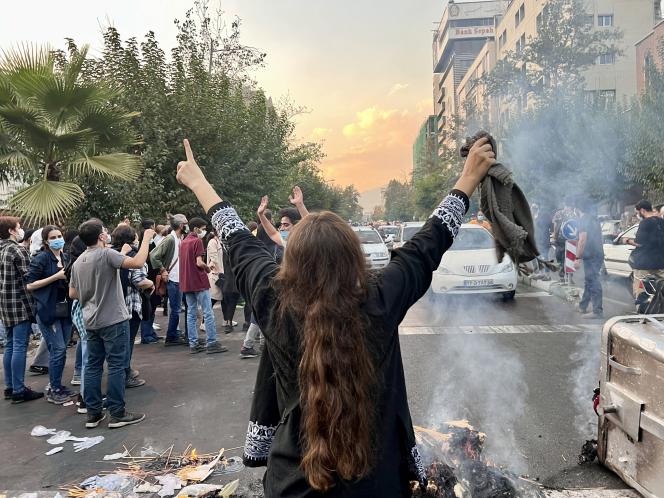
Now that Iranians shout on the streets: “Woman, Life, Freedom” it is time to return to my book. M. N.
A death-worshiper sees death as the only solution to all problems of life, and his permanent war cry is, “Kill or be killed.” We find death worship not only in the desire of the people for martyrdom but also in the methods and slogans of their struggle and sources of their inspiration during the 1978-79 Revolution in Iran. Especially, when the clergy who officiate the ceremony of death become politically active and after the “outside the zone [2]” movement in Summer 1978 and “the nights of poetry [3]” in Fall of the same year, gradually take the leadership of the revolution. For example: the well-known days of fortieth [4] (the eighteenth of February 1978 in Tabriz [5] and …), marches of the shrouded, setting of bridal chambers on the streets for young martyrs, gatherings in cemeteries, especially in Behesht-e Zahra, Passion plays commemorating the day of the Tenth [6] and the slogan: ” every and each day is the Tenth day, every and each land is Karbala”.
The best example of this desire for death can be seen in the Rex Theatre arson in Abadan on August 20, 1978 killing more than 400 viewers which, according to my late comrade, Mostafa Abkashak [7], was instigated by the clergy. The pre-revolution anti-establishment death-worship after the collapse of the Shah’s police state, becomes a state policy of the Khomeini’s regime, and the religious judges and the cemetery deacons take charge of the political stage.. The death-worship in our homeland reaches its peak during 1980-89 with the execution of thousands of dissidents labeled “the evils of the earth”, founding of “The Martyr’s Foundation” and most of all “the blessing of the war” [8] During the eight-year Iran-Iraq-War, pan-Islamist Khomeini used “human wave tactic” and sent children on mines, in hope of paradise and Pan-Arabist Saddam used chemical weapons; more than one million Iranians and Iraqis were killed and many more injured.
Now before embarking on the analysis of cultural roots and social background of death-worship in the threshold of the February Revolution, it is necessary to see what death is and how it is related to life and what the notion is that cherishes life?
Definition of Death and Phases of Dying
There are different opinions about the medical definition of human death, but it is traditionally defined as complete stop of respiration and blood circulation. Elizabeth Kubler-Ross who has done much research on death and dying, considers that a dying patient goes through the following psychological phases: denial, anger, bargaining, depression and finally acceptance [9]. Of course, there are nuances for each individual within this universal scheme.
A Wish for Immortality
Escape from death has occupied the human mind from early on; As can be seen in the wish for immortal life in mythology of all peoples: the Islamic Khizr, The Iranian Esfandyar and The Greek Achilles. However, these myths usually end unhappily, because the heroes in most cases, have a vulnerable spot: Esfandyar is hit through his eye and Achilles his heal. Eos’s lover, Tithonus whose wish is fulfilled and has become immortal when grows old and worn-out, he asks the gods for death, because immortality is not desirable without youth and health.
Religion and the Denial of Death
As Sigmund Freud says, in his book, The Future of an Illusion, religion appeared in order to remove the reality of death from the human mind. According to the doctrine of Resurrection in Abrahamicm religions like Islam, people after death spiritually or bodily will rise and become immortal. According to the Hindu doctrine of Reincarnation, every living thing after death, will be reborn in a new form in this world. However, the religious denial of death might defeat its purpose, because a religious person in hope of reward hereafter might spend his or her life observing ceremonies which in fact lead to obsession with death rather than escaping from it.
Mysticism and Self-Annihilation
In order to win over death mystics, such as Rumi and Attar, do not focus on the world hereafter. They try to snare the bird of death for life by way of self-annihilation and rejection of all characteristics of being alive such as eating, drinking and sex. However, the tangible outcome of mysticism is not immortality, rather it is the acceptance of little deaths during life and preparation for final end.
Hedonism and Forgetting of Death
Hedonism or “let’s be happy” is the non-religious complement of religious death-worship. Epicure, Abu-Nowas, Khayyam and Hafez are not comfortable to wipe out the reality of death from their minds in a religious-mystical way. However, like adherents of religion and mysticism, they see life haunted by the fearful ghost of death. In order to resolve this fear, they take refuge in happy-drinking and its subsequent forgetfulness. As Khayyam says: “Because I am not immortal in this universe/ So it is a capital sin to live without wine and one’s beloved.”
Unfortunately, the hedonistic heavy drinking only leads to withering away of the human body and spirit. It degrades life and exacerbates the fear of death for the living.
The Philosophy of Absurdity and Suicide
In the modern world in which the role of religion has diminished tendency toward death usually follows a non-religious direction. For example, Albert Camus, the French Existentialist writer considers the concept of suicide as the essential problem of philosophy. In his book The Myth of Sisyphus, he compares a human being to Sisyphus who constantly has to roll a rock toward a mountain top, but the rock rolls back half way. It leaves him unsuccessful in reaching his goal, that is victory over death and finding a meaning for life. After weakening his reader with the poison of absurdity and temptation for suicide, Camus suddenly rebels and expects that the human being accepts responsibility. It is obvious that his death-stricken reader will not be able to carry out this mission.
Tendency Toward Life
The science of medicine has diminished the ratio of mortalities and journey to outer space has strengthened the possibility of longer life in the human mind. Nevertheless, death occurs and denial or disregarding it leads to the opposite result. Death is a twin for life, and one has to accept it. As long as people are alive they can use their creative powers and by leaving a piece of their creation, overcome the feeling of annihilation and death. Leaving a good name for oneself, a child, a bed of flowers, a piece of poetry, music, story and the like– these are examples of immortalization of life and not the religious resurrection or hedonistic heavy drinking. The traditional example of the tendency toward life can be seen in the preface of The Rose Garden by the fourteenthe century Persian poet, Sa’di: “The flower only remains for five or six days / But this Rose Garden will always remain green.”
Social Background
Some of the social background of death-worship is as follows:
۱. Wherever the rate of mortality is high due to poverty, people are more vulnerable to death and they always feel threatened by it. Children in whose families or neighborhoods people die frequently, will get used to this concept and for the rest of their lives suffer by its nightmare.
۲. In societies in which religion rules over the life of the people, the death-oriented culture is more dominant.
۳. Economic injustice and lack of individual liberties create not only tyrannical governments and oppressor classes but also lead the oppressed people toward violence and futile solutions such as assassination and suicide-bombing.
In the Modern Society
In a modern society like the US the rate of life expectancy has increased, the separation of church and state has been established and even in some of the States capital punishment has been abolished. However, death-worship here, appears in new forms such as lack of gun control, glorification of violence and killing on TV and movies as well as the risk of nuclear explosion which can eliminate life once and for all.
Intellectuals and Death for a Cause
Now let us return to Iran. Alongside the existence of an apt background for growth of death-worship in Iranian society, one should not ignore the role that the intellectuals played in this respect in years before the Revolution. Starting fifteen years before the February Revolution, a shift took place in the thought and methods of struggle against the Shah’s regime among the leftist and religious (including clerical) intellectuals.
The desire for revolution replaced reformism and sacrificing one’s life for a cause became the slogan of the day. There is no doubt that the social impact of the Shah’s Land Reform and other factors like the political bankruptcy of reformist parties: Mossadegh’s National Front and the Soviet-oriented Tudeh Party, the June 4, 1963 riot over the arrest of Khomeini, and the Cuban and Algerian Revolutions played a role in this change.
The Immortal Martyred
In 1968 a clergyman by the name of Salehi-Najafabadi published a book in the city of Qom, called The Immortal Martyred in which he presented a political view regarding the Imam Houssein’s Tenth Day Rebellion. Another clergyman, Montazari, who later became vice-roy under Khomeini for a while, had written an introduction to this book.
According to the traditional view, Imam Houssein became martyred in order to redeem his followers, the Shiis, on the day of resurrection. In return, the Shiis have to mourn for him on the anniversary of his death. In the political version of Salehi, first, Imam Houssein is not a defeatist; that is, he did not struggle in order to become a martyr. On the contrary, he wanted to take political power and restore the early years of Moslem golden age. Second, instead of mourning, the Shiis should be inspired by Hossein’s radicalism and in order to take power, they should not be afraid of martyrdom for a cause.
Martyrdom
In 1971 a religious but anti-clerical intellectual, Dr. Ali Sharia’ti presented a talk on Martyrdom in Ershad Auditorium, Tehran,in which he gave a new political view on the Tenth Day Rebellion. According to Sharia’ti, Imam Houssein knew in advance that his uprising would not lead to victory. Nevertheless, he chose martyrdom to set an example for people and raise their political consciousness. Sharia’ti criticizes Salehi for not distinguishing between jihad (holy war) and martyrdom. In jihad, the Imam of the community declares war against the enemy in order to take political power whereas martyrdom is a voluntary act geared toward preparation of a social setting for jihad.
In this new view, one can see the impact of the current events of the day, because Sharia’ti delivered his talk a short while after the 8 February 1971 assault to a gendarmerie post in the village of Siahkal near Lahijan, and the emergence of urban guerilla warfare carried out by the Marxist Cherikha-ye Fedai-ye Khalq(The Iranian People’s Fedai Guerilla Organization) and the Islamic-Marxist Mojahedin-e Khalq (The Iranian People’s Mojahedin Organization). There was a similarity of thought between Sharia’ti’s “Martyrdom” of Imam and “political agitation” resulted from the armed actions of the urban guerillas.
Mojahedin of the People
This Koranic verse is the organizational slogan of “Mojahedin of the People”: “God has preferred those who fight over those who stay at home rewarding the former to a greater extent.” (4, 95) Waging urban guerrilla warfare they tried to put their theory of “revolutionary martyrdom” into practice and, inspired by the Algerian revolution, they combined Marxist theories with Islamic ideas.
A Refutation to the Theory of Survival
Amir Parviz Pooyan, a theoretician of the People’s Fedai Organization, and the author of a pamphlet by the above-mentioned title, was killed by the Shah’s anti-terrorist squads in Tehran in 1972. Inspired by the Cuban Revolution Pooyan, argued that in order to eliminate two absolute factors of “political repression” and “the revolutionaries’ lack of strength”, the revolutionary intellectuals have to set aside the “theory of survival” and “slow-paced political work”. Through armed political actions and sacrificing one’s life, they should inspire the masses for a revolutionary uprising.
Coupled with the theory of “death for a cause” one can find other common beliefs among People’s Fedais and People’s Mojahedin intellectuals which together represent a death-worship culture. They include:
Philosophical Determinism
In spite of the fact that our revolutionary intellectuals accused their reformist opponents of determinism, they were determinists of another sort. They considered themselves as representatives of either divine or historical forces of evolution, and they willingly gave their lives for this cause. Indeed, this is the philosophical source of dogmatism in a death-stricken ideology.
Worship of One’s Ideology
A Communist or a Khomeinist may both bravely welcome death for their cause. However, they both regard each other’s death, not as martyrdom but as an “elimination”. The reason lies in the fact that for them, glorification of a warrior’s death stems from one’s sacred ideology and not one’s bravery. In turn, the ideology represents God or History and owes its sanctity to the holy divine or historical laws and necessities.
On the contrary, I believe that we should make a distinction between ideology and ethics, and accept that bravery is good and submission to servitude is bad no matter who is the initiator. But a death-worshipper is also an ideology-worshipper and cannot see the human individual beyond the group-ideological boundaries. All individuals have the same human rights whether they are Communist or Khomeinist, rich or poor, female or male, disabled or abled body, criminal or law-obedient, and their rights should be respected at all times, and everywhere.
Stoicism
A death-worshiper regards joy as a sin, avoids sex and is reluctant to eat. For example, in 1972 Mehdy Rezaii, a People’s Mojahed proudly stated in his defence at court that when he was underground, he had not eaten anything except bread and cheese. In a group called Revolutionaries for the Emancipation of the Working Class,(who joined the organization of the Struggle for the Emancipation of the Working Class (Paikar) in 1980), wife and husband were not allowed to have sex. Stoicism stems from mysticism.
Glorification of Violence
Our intellectuals had militaristic minds. They relied on violence and arms not only in their social struggle but also within the organization itself. One can remember the bloody ideological shift to Marxism-Leninism within the People’s Mojahedin in 1975 and bloody factional conflict within the People’s Fedayees(the Minority) in Kurdistan, 1986.
Playing with Death
In the seventies, the intellectual guerrillas while underground constantly prepared themselves for the period of detention, cross-examination, torture and execution. Their objectives were to be in control of their own death rather than allowing the police to manipulate them. To serve this purpose they always had cyanide capsules in their mouths.
As a result, the emergence of death-worship in the Islamic Republic is not only related to the economic poverty and high rate of mortality or political repression and the dominance of religion but it also depends on the thought and practice of the intelligentsia in the years preceding the Revolution. Today, too, the kind of responses which our intellectuals have for the question “why did we end here?”, will undoubtedly affect the course of future events in Iranian society. Of course, we should not limit ourselves to the cultural criticism, we need an agenda for action as well.
The Abolition of Capital Punishment
Somewhere this vicious circle has to be broken. While in the Shah’s prison in the 70’s, Asadollah Lajevardi, the chief of the torture chamber in the Islamic Republic, undoubtedly dreamt of the present day fields of execution. Likewise, there are many people suffering from repression in this regime who envision the mullahs over the future gallows. We must set aside this habit of cannibalism and admit that through killing or being killed we cannot find a remedy for the pains of our society. We also should ask all the writers of political agendas to remove capital punishment for political opponents immediately and unconditionally. A few months after my arrival to Los Angeles on May 17, 1984 I started to collect signatures from Iranian emigre for this purpose. Capital punishment is based upon tribal revenge and religious retribution and should be eliminated from modern criminal laws. It does not deter criminals but rather it teaches brutality.
Marxist and religious intellectuals both have contradictory traditions towards capital punishment. For example, opposite to the medieval Spanish Inquisition and Khomeini’s religious courts, we have in America the Quakers who, from the very beginning have been against violence and killing. Recently, some Muslim abolitionists use this Koranic verse to condemn capital punishment: “For that cause we decreed for the children of Israel that whosoever killeth a human being for other than manslaughter or corruption in the earth, it shall be as if he has killed all mankind , and whoso saveth the life of one it shall be as if he has saved the life of all mankind.” (5:32)
Contrary to Lenin and especially Stalin, we have a free thinker like the Polish Marxist, Rosa Luxembourg who wrote an article for the abolition of capital punishment and published in Die Rote Fahne November 18, 1918. In spite of siding with the October Revolution she condemns the violent methods of Bolshevism. One can find the same contradiction in Marx’s works as well. On the one hand, he condemns capital punishment in an article published in the New-York Daily Tribune February 17-18 1953 and on the other hand, by adhering to the dictatorship of the proletariat, he favored the execution of the political opponents.
The abolition of capital punishment does not lead to compromise with the theocracy but on the contrary, it attacks the real foundations of this violent regime. By killing oppressors one cannot eliminate oppression and by killing the clergy one cannot eradicate theocracy. >From somewhere this vicious circle of death-worship has to be broken. “humanistic execution” is nonsense just as are “good slavery”. Let respect for human individuals grow in us, let love for life bloom in us, hello to life!
Footnotes
[۱] The other speakers were Nasim Khaksar, Abbas Milani and A. Navid. See Ketab e Nima Vol. 3, Los Angeles, Fall 1990, p. 129
[۲] In the summer 1978, people protesting the zoning regulations in Tehran stoned government buildings. This marked the beginning of the 79 Revolution.
[۳] In the autumn of 1978, the Goethe Institute in Tehran sponsored Ten Nights of Poetry Readings in which intellectuals protested against censorship.
[۴] A mourning day forty days after a death.
[۵] Commemorating the riot which occured in the city of Qom forty days before.
[۶] Commemorating the death of Imam Hossein, the great Shii martyr who is buried in the city of Karbala in Iraq.
[۷] In a pamphlet in Persian published in Los Angeles titled: Who Are the Real Arsonists of Rex Theatre Holocaust? 1988.
[۸] Referring to the Iran-Iraq War, Khomeini called it “a blessing”, that is, for his government.
[۹] Kubler-Ross, Elizabeth On Death & Dying New York Mac Millan Publishing Company Inc. 1969


هنوز نظری ثبت نشده است. شما اولین نظر را بنویسید.